
Cosmetic · July 1, 2026
Why Do Teeth Turn Yellow Even If You Brush Every Day?
Many people are genuinely surprised when they look in the mirror and notice their teeth appear darker or more yellow, even though they brush and floss faithfully every day...
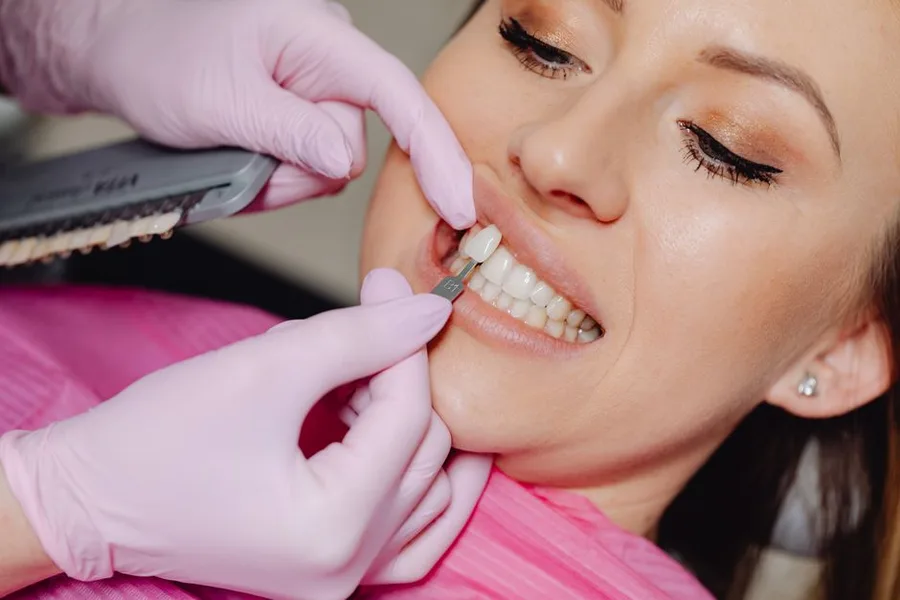
Many people are genuinely surprised when they look in the mirror and notice their teeth appear darker or more yellow, even though they brush and floss faithfully every day. They ask themselves, “Why do teeth turn yellow?” The truth is that good oral hygiene is a critical foundation for dental health, but brushing alone cannot always prevent tooth discoloration. Understanding why teeth change color is the first step toward finding the right solution.
In this post about why do your teeth turn yellow, we’ll walk through the most common causes of yellow teeth, explain what professional dental care can do to help, and outline when professional teeth whitening might be the right option for you.
Common Causes of Yellow Teeth
Before diving into treatment options, it’s important to first understand that tooth discoloration generally falls into two categories: extrinsic staining (on the surface) and intrinsic discoloration (within the tooth itself). Each type responds differently to treatment, which is why a dental evaluation is always the best starting point.
Here are the most common reasons teeth turn yellow, even with a solid brushing routine:
Coffee, Tea, and Red Wine
These popular beverages contain chromogens, highly pigmented compounds that bind to tooth enamel over time. Additionally, the tannins found in coffee and red wine make it even easier for stains to adhere to your teeth. As a result, even patients with excellent oral hygiene can develop noticeable surface staining over months and years. Rinsing with water after consuming these drinks and using an ADA-approved whitening toothpaste can help slow staining between professional cleanings.
Aging and Enamel Thinning
As we get older, the outer layer of enamel naturally becomes thinner through a process called enamel erosion. When this happens, the darker inner layer of the tooth, called dentin, becomes increasingly visible, causing teeth to take on a yellow or gray appearance. This type of intrinsic discoloration is not caused by anything you’re doing wrong; it’s a normal part of aging. However, it can be addressed effectively with professional whitening treatments or cosmetic options like veneers.
Tobacco Use
Smoking and chewing tobacco are among the leading causes of stubborn, deep-set tooth discoloration. The nicotine and tar in tobacco products penetrate deeply into tooth enamel, making these stains significantly more difficult to remove than typical food or beverage stains. Furthermore, tobacco use is also strongly linked to gum disease and oral cancer, making it one of the most important risk factors to address for overall oral health.
Certain Medications and Medical Treatments
Some medications can affect tooth color as a known side effect. For example, certain antibiotics, particularly tetracycline, when taken during childhood, can cause intrinsic staining that develops within the tooth structure itself. Similarly, antihistamines, antipsychotics, and some blood pressure medications have been associated with tooth discoloration. Chemotherapy and radiation treatments can also affect the appearance of teeth. If you’ve noticed a sudden change in your tooth color, it’s always worth discussing with your dentist, as there may be underlying medical factors at play.
Genetics and Natural Tooth Color
Just as genetics influence hair color and eye color, they also play a significant role in determining your natural tooth shade. Some people are simply born with naturally thicker, whiter enamel, while others have naturally thinner enamel or a slightly yellow or grayish dentin layer that shows through. If yellow teeth run in your family, that context can help your dentist tailor the most realistic treatment expectations for you.
Can Professional Dental Cleanings Remove Yellow Stains?
The answer depends largely on the type of discoloration you’re dealing with. Professional dental cleanings, also called prophylaxis, involve scaling to remove tartar buildup and polishing to reduce surface staining. As a result, they can be highly effective at removing many of the extrinsic stains caused by coffee, tea, and everyday foods.
However, it’s important to understand that some discoloration develops within the tooth itself, particularly staining related to aging, genetics, or certain medications, and cannot be removed through cleaning alone. In those cases, professional whitening or other cosmetic dental treatments become the more appropriate next step.
That said, regular professional cleanings every six months remain one of the single most important things you can do for your oral health, not just for stain removal, but also for preventing cavities, gum disease, and other issues that can ultimately worsen the appearance of your smile.
When Is Professional Teeth Whitening a Good Option?
Once surface stains have been addressed through a professional cleaning, professional teeth whitening is often the most effective way to further brighten your smile. Unlike over-the-counter whitening strips or toothpastes, in-office whitening treatments use a higher concentration of whitening agents that can penetrate more deeply into the enamel, lifting stains that brushing and regular cleanings simply cannot reach.
Good candidates for professional whitening typically include patients who:
- Have extrinsic staining from food, beverages, or tobacco
- Experience age-related yellowing due to thinning enamel
- Have overall healthy teeth and gums
- Are not pregnant or nursing
- Do not have extensive dental restorations (crowns, veneers) in visible areas
Many patients are genuinely surprised by the difference they can achieve in a relatively short amount of time. Results vary, of course, depending on the starting shade, lifestyle habits, and overall oral health, which is exactly why a consultation with your dentist is so valuable. Your dentist can set realistic expectations and recommend whether in-office whitening, take-home whitening trays, or an alternative cosmetic treatment would be most effective for your specific situation.
It’s also worth noting that professional whitening is most effective on natural tooth enamel. If you have dental crowns, veneers, or bonding in visible areas, your dentist can discuss options to help match the overall appearance of your smile.
The Best First Step: A Dental Exam and Professional Cleaning
If you’re unhappy with the color of your teeth, the most important first step is scheduling a dental exam and professional cleaning. Your dentist will evaluate your overall oral health, identify whether the discoloration is extrinsic, intrinsic, or a combination of both, and recommend the most appropriate treatment options based on your individual needs.
Ultimately, starting with a thorough evaluation ensures that any underlying issues, such as enamel erosion, cavities, or gum disease, are identified and addressed before cosmetic treatment begins. This approach leads to safer, longer-lasting results and a healthier smile overall.
At Dental Hygiene Centers, we help patients throughout Fort Myers and the surrounding Southwest Florida area achieve healthier, brighter smiles through preventive care, professional cleanings, and a full range of cosmetic dental treatments. You might enjoy this other blog Brighten Your Smile With Zoom Teeth Whitening
Frequently Asked Questions About Yellow Teeth
Why do teeth look yellow even though I brush twice a day?
Brushing removes surface plaque and bacteria, but it cannot reverse discoloration caused by aging, genetics, certain medications, or chromogens from coffee, tea, and red wine that penetrate enamel over time. A professional cleaning or whitening treatment is often necessary to address these types of stains.
Can professional dental cleanings remove yellow stains?
Professional cleanings are very effective at removing extrinsic (surface) stains caused by food and beverages. However, intrinsic discoloration, staining that originates within the tooth itself, requires professional whitening or other cosmetic dental treatments.
Is professional teeth whitening safe?
Yes. Professional teeth whitening performed or supervised by a licensed dentist is considered safe and effective for most patients. Your dentist will evaluate your oral health before recommending any whitening treatment to ensure it is appropriate for you.
How long do teeth whitening results last?
Results typically last anywhere from several months to a few years, depending on your diet, oral hygiene habits, and whether you use tobacco. Avoiding staining foods and beverages and scheduling regular professional cleanings can help extend your results significantly.
Are there teeth whitening options for sensitive teeth?
Yes. Your dentist can recommend whitening treatments formulated for sensitive teeth, adjust the concentration of whitening agents, or suggest desensitizing protocols to minimize discomfort during and after treatment.
Ready to learn more about your whitening options? Contact our team today to schedule an appointment at Dental Hygiene Centers in Fort Myers.
Have a Question About Your Smile? Ask Us.
New patients welcome from Fort Myers, Cape Coral, Estero, Bonita Springs, and McGregor.